


How Taxpayers Can Profit from Data Centers
___________________________________________________________________
Data Center Bans Cost States Jobs, Growth, & Property Tax Cuts
___________________________________________________________________
Data Centers: Taxpayers Can Be Victors, Not Victims, in the AI Revolution
Taxpayers should demand accountability, transparency, and fiscal responsibility from both public officials and private sector actors when it comes to any economic development, and data centers should be no different. Governments at all levels have provided productive (and sometimes, less productive) policy paths forward on data centers.
This report is intended to provide lessons that taxpayers across the nation can take to heart as they work to ensure that data centers leave us all better off in the next big step in America’s technologic and economic evolution. It can be done, because it is already being done in many parts of the country.
___________________________________________________________________
Speed to Power: How Electricity Ratepayers Can Win the AI Race
Politicians at the federal and state levels are increasingly hearing from constituents over cost concerns, prompting legislatures to hold hearings and introduce legislation to protect ratepayers, including calls for data center moratoriums. Other states have proposed tax incentives to attract data centers.
There is another policy path forward that protects American taxpayers and ratepayers while enabling economic growth and increasing energy supply to meet rising demand: relieving regulatory bottlenecks that stifle energy infrastructure development and providing the certainty and flexibility for innovative technologies to help meet America’s energy needs.
___________________________________________________________________
So, Policymaker, You Got Cornered in the Grocery Aisle on Data Centers
Dear legislator, a constituent found you somewhere between the cereal and the rotisserie chickens at the grocery store and wants to know why a “giant AI building” is coming.
Constituents are not showing up angry at local town hall meetings because they’ve studied energy load forecasting. They’re reacting to phrases like “power grid,” “water,” “farmland,” “tax breaks,” “big tech,” and asking one basic question: Is this going to cost me money or change my community for the worse?
Here’s how lawmakers can answer clearly and honestly without sounding dismissive, defensive, or like a corporate lobbyist.
___________________________________________________________________
Ohio’s Blueprint: How Market-Oriented Energy Reform Can Help States Win the AI Race
Data centers bring communities billions of dollars in private capital investment, thousands of new jobs, and a steady stream of tax dollars to state and local governments. But they also demand new electricity generation and transmission infrastructure—something that regulatory inertia has made difficult for states to deliver quickly. States that can supply reliable, affordable power on a commercially viable timeline will gain significant competitive advantage. At the same time, they must address the public’s fear that households will ultimately subsidize the energy infrastructure that big tech companies need.
Ohio offers a compelling case study of energy policy reforms and failures for other states to consider. House Bill 15, signed into law in 2025, adopted a successful suite of market-oriented energy reforms—site permitting deadlines, behind-the-meter power rights, brownfield siting incentives, and grid transparency measures—that address critical barriers to new generation. But Ohio’s experience also illustrates the limits of legislative reform when monopolistic utilities resist competition.
___________________________________________________________________
15 Myths about Data Centers—and the Taxpayer Perspective
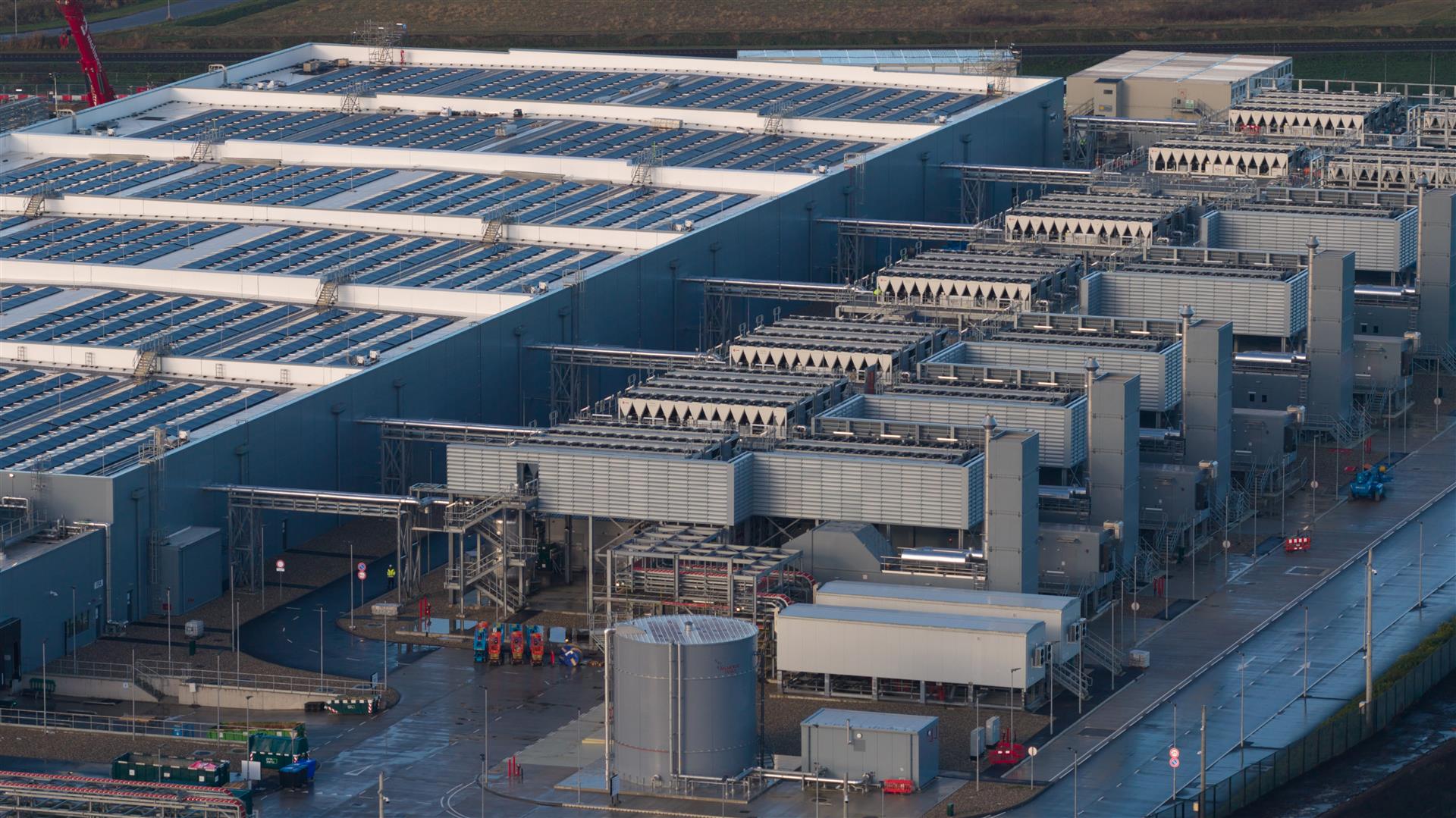
Nationwide, elected officials are drawn into debates over data centers, artificial intelligence infrastructure, electricity demand, water use, tax incentives, and land development.
Communities deserve clear answers on energy use, water consumption, infrastructure, land use, and taxpayer benefits. But too often, the debate is driven by misunderstandings.
A taxpayer-friendly approach does not mean giving technology developers a blank check. It means asking practical questions:
1. Will taxpayers come out ahead?
2. Will ratepayers be protected?
3. Will infrastructure costs be transparent?
4. Will the project strengthen the local tax base?
The following sections address some common myths surrounding data centers and offer a taxpayer perspective grounded in fiscal responsibility, infrastructure planning, economic competitiveness, and local accountability.
___________________________________________________________________

How Carbon Taxes Collapsed Pennsylvania’s Generation Investment and What It Means for the Data Center Boom
From 2019 through 2024, regulatory uncertainty over the Regional Greenhouse Gas Initiative (RGGI) shrank Pennsylvania's proposed generation pipeline by 62% in cumulative pipeline volume compared to the prior six-year period, and by 38% counting only genuinely new projects entering the pipeline. Developers who were building power plants at the fastest rate in the PJM region stopped proposing projects. Three large natural gas plants were cancelled. The state’s largest coal plant and a nuclear reactor closed. These reductions in supply, coinciding with new data center demand for electricity, rippled across the thirteen-state PJM grid: wholesale capacity prices spiked 833%, and the grid fell short of its reliability standard for the first time in history.
Pennsylvania demonstrates a clear lesson. Any state imposing or threatening carbon taxes will see reduced generation, often requiring electricity imports to achieve the same level of reliable operable generation. New investment adapts, targeting states with regulatory certainty and a tax climate friendlier to new generation projects. Pennsylvania’s experience offers a transferable framework: what happens when state energy policy discourages investment in an industry where the state has a comparative advantage, and what policies elected leaders can pursue to prevent that outcome.
___________________________________________________________________
America’s Grid Gamble: Is It Time to Let Private Power Play?
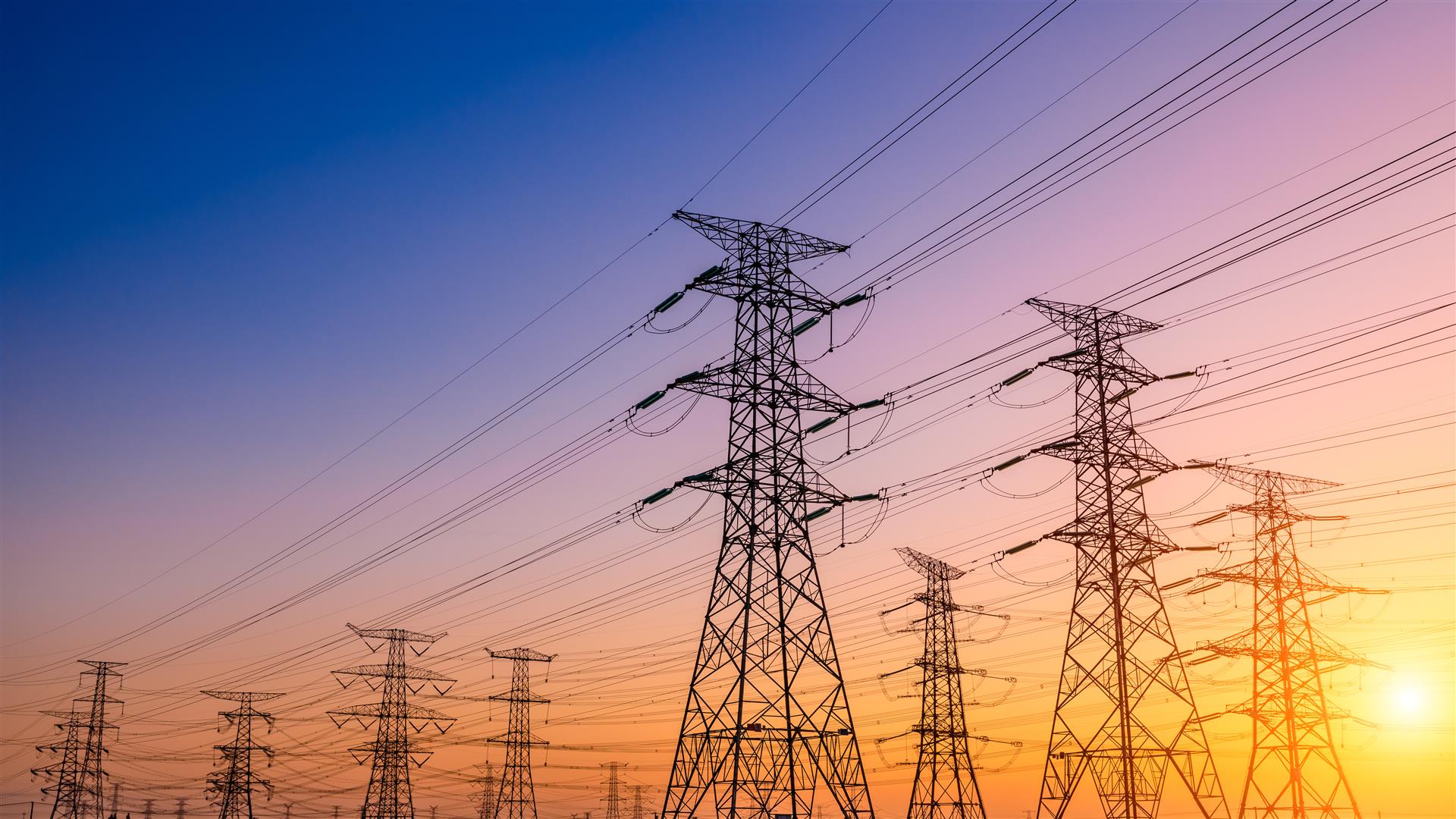
Rather than banning energy-intensive technologies, policymakers should be exploring reforms that strengthen the benefits of the public grid while creating a parallel pathway for new electricity consumers who need to move at entrepreneurial speed. Consumer Regulated Electricity (CRE) offers one such solution. This innovative approach delivers speed-to-power that “hyperscalers” and other industrial manufacturers are desperately seeking, without creating new reliability risks or shifting costs onto existing ratepayers.
Another complementary option is for regulators to expand access to behind-the-meter power generation, an approach that enables energy-heavy users to produce and consume their own electricity on-site without it ever flowing through the public grid. Both market-driven tools can work alongside traditional utility regulation to protect families, encourage innovation, and keep the U.S. competitive in a global race that runs on electricity.
__________________________________________________________________

Powering Opportunity: Data Centers, Energy Policy, and Nebraska’s Economic Future
The growth of data centers and digital infrastructure represents one of the most promising opportunities for economic expansion. These facilities bring significant capital investment, support high-paying jobs, and generate substantial local tax revenue. At the same time, their expansion reinforces the importance of energy policy. The electricity required to power the digital economy will shape economic development decisions for years to come.
Nebraska’s policy choices today will determine whether the state captures these opportunities or falls behind competitors that are moving quickly to support the infrastructure needed for the next generation of economic growth.
___________________________________________________________________

Sound Policies, Not Subsidies: Data Center Equipment Tax Exemptions
Most states exempt data center equipment (including servers, racks, chillers, electrical equipment, and backup generators) from the sales tax. Initially largely uncontroversial, these provisions have come under increasing scrutiny, often characterized as subsidies or framed as costing states revenue. In reality, these exemptions are simply the extension of ordinary sales tax treatment of equipment, which is, for good reason, almost always exempt. These exemptions are not tax preferences. On the contrary, their elimination would represent an economically harmful sales tax distortion.
Data centers should receive the same sales tax treatment as other industries. Current law in most states already falls short of that aim. But states should avoid policies that impose unique and highly consequential penalties on a single industry.
___________________________________________________________________

Dulling America’s Cutting Edge: Property Taxes on the Equipment of Data Centers and Other Innovative Businesses
For a modern data center, servers alone can easily be worth billions of dollars. In many states, those servers—along with the data center’s other networking equipment, electrical build-out, backup generators, chillers, and more—are subject to property tax, frequently at valuations that overstate the true market value of those assets.
Property taxes can be imposed on both real property (land, improvements, and often fixtures) and on tangible personal property (TPP), which is a catch-all classification for machinery, equipment, and virtually every other form of business tangible property that is not real property. State taxation of tangible personal property is particularly harmful to capital-intensive businesses like data centers, and certain characteristics of data centers result in uniquely aggressive TPP tax burdens compared to other industries.